Snowflakes are unique and beautiful – and they’re a fascinating topic for many young learners. The symmetry and shape of snowflakes encourages mathematical thinking without much effort, while their beauty inspires art. Overall, they inspire curiosity while supporting all sorts of early learning skills. These snowflake activities are simple to set up and keep preschoolers engaged in hands-on learning.
Circle Time Snowflake Activities
Set the scene with a snowflake story, such as Little Snowflake by Suzanne Fossey. This particular title discusses how snowflakes are created and what happens when they melt – all with a delightful rhyming scheme. Of course, other snowflake or snowmen books also fit the bill. Follow the story up with this simple action song activity:
Snowflake on My Nose
Sing this simple song to practice positional words while getting into the snowy-spirit. Build on student’s fascination by showing them photographs of real snowflakes.
Ask them to count the points on a simple snowflake together, and discuss what other things they may notice about the snowflakes in the photos.

Math Snowflake Activities
- Snowflake counting mats: Print snowflake or mitten-shaped mats with numbers (1-10 or 1-20) and have children place the corresponding number of cotton balls, pom-poms, or gems on each one.
- Snowflake Shapes: Using shape blocks and pattern pages, students create the snowflakes. Bonus points if it’s using translucent pieces on a light table!


- Muffin tin counting: Place snowflake number circles in a muffin tin and have children add the correct number of counters (like small snowflake ornaments or beads) to each cup.
- Counting containers: Use small containers labeled with numbers and have children count out the correct number of small objects into each one.
- Patterns: Use snowflake cutouts to create patterns, such as color patterns or shape patterns, and have children extend them.
Science Activities with Snowflakes
If the weather permits, take students out to the playground for some hands-on science activities.
- Catch and observe: Take dark paper or fabric outside to catch snowflakes. Use magnifying glasses to observe the unique shapes and discuss why they are all different.
- Melting experiment: Place snow on a tray and observe what happens when you add salt to one area versus another. This shows that salt helps snow melt faster.
- Measure snow: Measure and record the amount of snow that falls to track changes over time.

However, sometimes snow isn’t a possiblity, so these indoor activities are great for warmer climates and uncooperative weather:
- Crystal snowflakes: Create a snowflake shape with a pipe cleaner, suspend it in a jar with a supersaturated borax and hot water solution, and watch as crystals form over a few days.
- Snowflake Videos: Students in any climate can enjoy snowflakes beauty with this video all about snowflakes.
Snowflake Activities for the Sensory Table
The sensory table is a great place to change out seasonal or thematic props. For a snowflake theme, consider adding blue and white pom-poms to mimic snow, along with ice cube trays, cylinders, and tongs for fine motor practice.

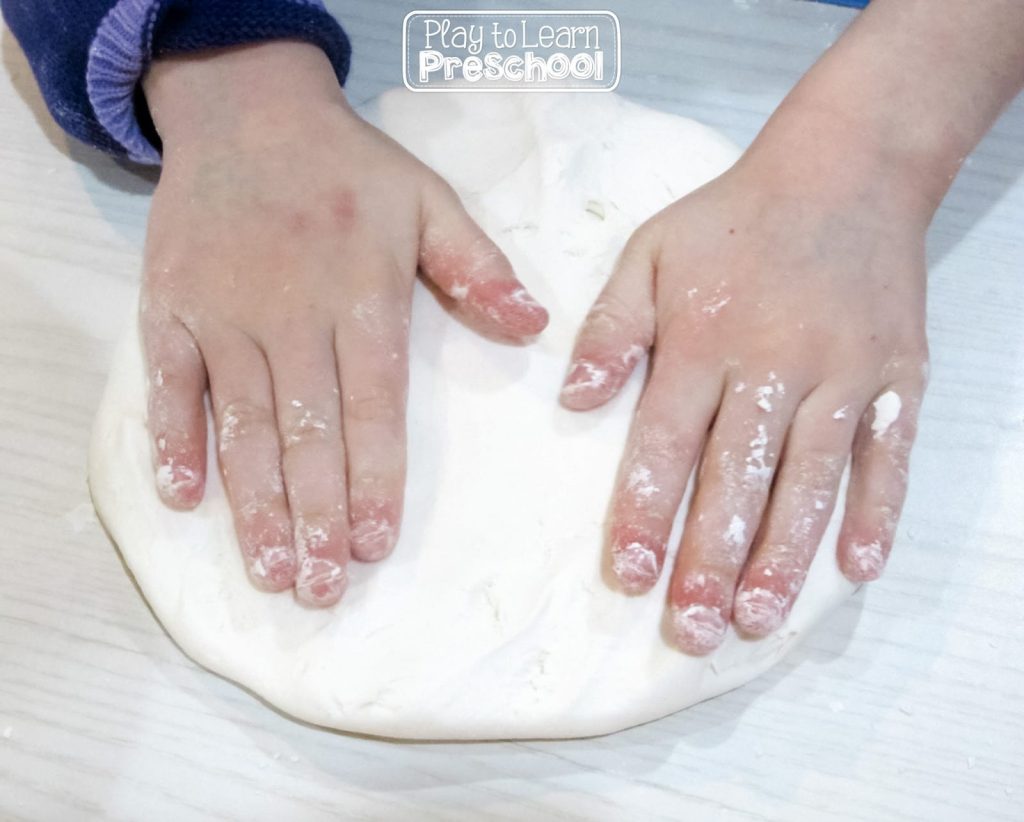
Cloud dough can easily be turned into Snow Dough by adding some clear glitter. Similar to a play dough consistency, this tactile learning is great for small hands. Add in snowflake shaped plastic cookie cutters for an added touch.
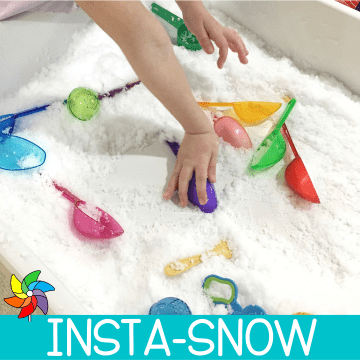
Artificial snow can be a fun inside activity for the sensory table or individual sensory bins. Add some figurines, like arctic animals, plastic stones, and scoops for an imagineers dream!

Art Activities for a Snowflake Theme
Bring the wintery wonderland into the classroom with these hands-on, kid-approved art projects.


Snowflake activities bring together math, science, and art in a way that feels natural for preschoolers. Each idea in this collection offers a chance to explore patterns, compare shapes, and enjoy winter creativity at a comfortable pace. With just a few simple materials, these activities open the door to meaningful early learning during the colder months.