Exploring art through play is one of the most natural and meaningful ways for preschoolers to engage in creative learning. Whether it’s painting with brushes or rolling golf balls through trays of color, children learn best when they’re free to explore, experiment, and express themselves through play-based art.

In early childhood, art isn’t just about the finished product – it’s about the experience. Giving young learners the space to create through playful exploration builds confidence, strengthens fine motor skills, and lays the foundation for problem-solving and self-expression. Through open-ended materials and child-led projects, teachers can foster a love for creativity while supporting development across multiple domains.
Why Art Matters in Preschool
Art offers more than just a creative outlet – it helps children make sense of their world. Through artistic play, preschoolers:
- Develop fine motor control by cutting, squeezing glue, holding paintbrushes, and manipulating tools.
- Build language and communication as they describe what they’re creating or share their ideas with others.
- Strengthen social-emotional skills by learning to take turns with materials, collaborate, and express feelings visually.
- Grow in confidence as they make independent choices and see the value in their own ideas.
Research in early childhood education shows that young children benefit most when art experiences are process-based and centered on exploration. That means giving children the time, space, and materials to play with color, texture, shape, and design without pressure to make something look “just right.”
Exploring Different Types of Art Through Play
Art doesn’t need to follow a formula. In fact, the most memorable and beneficial experiences often come from open-ended invitations to explore. Here are several types of play-based art experiences that support learning while celebrating creativity.
Process Art: Encouraging Creative Thinking Through Play
Process art is all about the experience. Instead of focusing on the outcome, children are encouraged to explore materials and techniques freely.

Rolling Materials Through Paint
Tape a piece of paper to the inside of a shallow box or tray. Add a small amount of paint to the paper in different areas. Next, children roll golf balls, marbles, or toys cars back and forth across the paper. The results are unique combinations of color, texture, and motion. Children experiment with speed, direction, and layering colors, all while strengthening their fine motor coordination.
Painting shouldn’t just be limited to paintbrushes. Offer items like sponges, feathers, forks, or kitchen utensils for painting. Each tool creates a different texture, which helps children make comparisons and think critically about their choices. This also opens up conversations about experimentation and cause and effect.


Fill small cups with diluted liquid watercolors. Provide children with plastic eye droppers to drip paint onto thick paper or paper towels. As the colors spread and blend, children observe how water moves and mixes. This activity strengthens fine motor skills while encouraging experimentation with color and placement. It also teaches about diffusion and color theory as the colors mix and blend on their own.
These activities promote decision-making, experimentation, and a sense of independence in young artists.
Nature-Inspired Art
Bringing the natural world into the classroom provides a sensory-rich way to engage with art while blending it with science.
Go on an outdoor adventure to collect flowers from your area. Press flower petals between two pieces of contact paper to create vibrant window displays. Children enjoy arranging the petals, experimenting with color, and seeing how sunlight shines through their finished work.


Stick Sculptures or Leaf Prints
Take a walk through the neighborhood and collect small twigs, leaves, and rocks. Children can build miniature structures or use paint sticks, such as Kwik Stix, to create leaf prints. These experiences deepen observation skills and encourage attention to detail.
Painting with Nature Tools
Dip pine cones, branches, or flower heads in paint and explore the textures they create. Children learn that even common outdoor objects can become tools for creativity. This type of play fosters flexibility in thinking and encourages appreciation for natural materials.

Collaborative and Group Art
Working on a shared project helps children learn cooperation and encourages social interaction.

Create a large mural with layers added over several days. First, paint the water. Then, add plants, animals, and textures using different tools and materials. This long-term project builds anticipation and gives children a chance to reflect and build upon previous work.
Group Canvas Painting
Set out a long piece of paper, or find an amazing banner from Friends Art Lab, and allow several children to work together with paints, stamps, or collage materials. They can create side by side or contribute to a joint theme, sparking conversations, negotiation, and teamwork.


Recycled Art Station
Use plastic bottle caps, boxes, and scrap paper for group sculptures or installations. These materials encourage creative reuse and support planning and collaboration as children decide how to bring their ideas to life.
Famous Artist-Inspired Play
Introducing famous artists through hands-on activities gives children a connection to real-world art and history. Pairing these activities with a Famous Artist unit can create a classroom full of artwork and fun.
Use swirls of blue and yellow to explore how movement can be expressed with brushstrokes. Children learn about the power of color blending and the emotion behind the strokes, gaining insight into the artist’s style.


Decorate the first letter of students’ names or fill pages with repeated dot patterns using stickers or cotton swabs. This activity offers rhythm, repetition, and pattern-making, all while tying into Yayoi Kusama’s signature approach.
Explore Famous Artists with this preschool Circle Time Unit
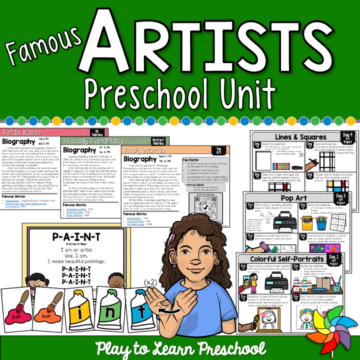
Famous Artists Preschool Unit
$12.00Watch your students’ creativity abound with this comprehensive Famous Artists Unit for preschoolers. The unit includes complete lesson plans for 10 days of circle time, as well as additional literacy and math centers. All of the planning is done for you!
Inspired by Kandinsky’s abstract style, children create concentric circle designs using crayons, paint sticks, or markers. This activity encourages attention to shape, balance, and color choice while supporting spacial awareness and layering.


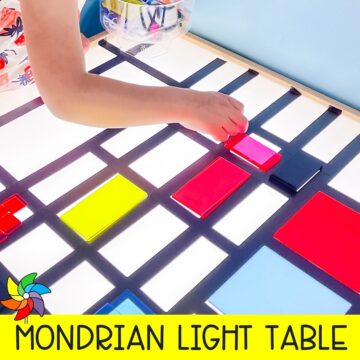
Using black electrical tape, create a grid-like patterns on white paper or a white cardboard box. Children fill the spaces with red, yellow, and blue paint or markers. This simple but structured activity introduces geometric design, color blocking, and clean lines.
Supporting Creative Exploration in the Classroom
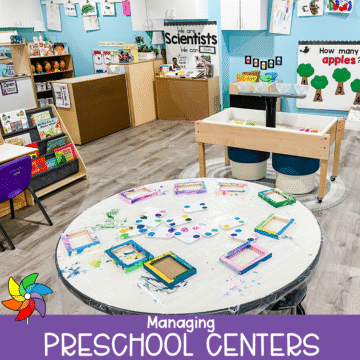
A well-stocked and thoughtfully arranged art space is an open invitation for children to play. To support creativity:
- Offer a variety of materials like crayons, paints, stamps, natural items, and recycled goods.
- Make art open-ended by avoiding pre-drawn templates or strict examples.
- Let children make choices about colors, tools, and subjects.
- Talk about the process, not just the final product. Asking questions like “Can you tell me about what you’re making?” can be a great way to tap into children’s thought processes.
Displaying children’s work in a mini classroom gallery or sending home photos of the creative process helps reinforce the value of what they’re learning. Even attaching small descriptions to each piece before it is hung up can instill a sense of pride in even the youngest artists.
Nurturing Art Through Play
When preschoolers are given the freedom to explore materials, follow their curiosity, and create without pressure, art becomes a joyful and meaningful part of their learning. Play-based art experiences support development across all domains, encouraging communication, fine motor growth, and creative thinking. Whether it’s inspired by nature, famous artists, or their own imagination, children thrive when art is woven into everyday play. With just a few thoughtful setups, teachers can nurture creativity and confidence that lasts far beyond the preschool years.