

Play dough is one of the most iconic tools in early childhood. It’s affordable, interactive, and most of all, fun! Children young simply cannot keep their hands off of the stuff. Having a dedicated play dough area in the classroom is a wonderful way to use the space. Adding different props, doughs, and tools to the play dough kitchen keeps the area exciting for every student.

One of the best ways to keep play dough even more affordable is to make batches of it. This also allows for custom colors, scents, and more – making it perfect for any theme in the classroom!
Step One – Enter the Play Dough Kitchen (or Center)
The play dough kitchen is a useful piece of furniture if the classroom has the space for it. It combines storage, flat surfaces, and a dedicated flat area for constructing play dough masterpieces. If a play dough kitchen isn’t in the budget, however, a small table for a small group of students works well.

In either setup,
include an assortment of tools such as:
- plastic scissors
- tongs
- rolling pins
- rollers
- containers
- stampers
- extruders
- and more!
The tools should be carefully planned ahead of time and limited to one or two items at first. Careful selection prevents overwhelming young children and also helps focus their play for developing certain targeted skills. When students use tongs and similar tools, they develop the muscles needed for grasping and controling writing instruments. Rollers, cutters, and stampers give students a way to work the gross motor muscles as well. Using the play dough in general also provides self-regulatory feedback, is a calming activity, and allows for creativity to blossom.


Play Dough Kitchen Invitation #1: Colors
One of the first things a student learns about is colors. That why it makes a wonderful first lesson in the play dough area. Start with just a single primary color. Go the extra mile and have all of the tools coordinate as well. After reviewing the primary colors, encourage students to experiment with color theory as they mix two different colors at the table to create secondary colors. This leads to important discoveries, such as red and blue make purple – and it gives extra life to those brightly colored play dough. (Pro tip – if brown and grey are not the desired effect, stick to offering two primary colors at a time. But it’s not the end of the world if students mix the colors!)


Play Dough Kitchen Invitation #2: Birthday Party
When children are little, birthdays are a big deal. So, what better invitation to play than making birthday cupcakes? To create this adorable play dough invitation, gather the following items:

- Vanilla scented play dough
- Chocolate scented play dough
- Silicone or paper cupcake liners
- Metal mini-muffin pans
- Small tube shaped beads for sprinkles
- Cookie cutters
- Birthday party cake decorations
Be ready to hear “Happy Birthday to You” all day long while children use their imaginations to plan the perfect party!
Play Dough Kitchen Invitation #3: Emotions
Little learners have BIG emotions. Play dough is a calming center for students because of the way kneading the dough helps them regulate those big feelings. Add some extra pizzazz to the center by including these emotions rollers.


Practice Numeral Formation with Play Dough!
Play Dough Number Mats
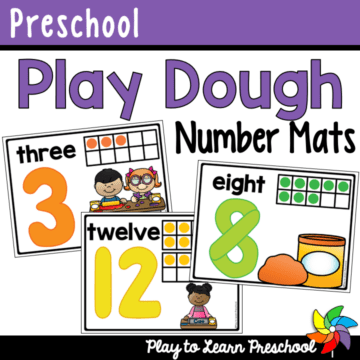
$3.00Combine counting practice, number identification, and fine motor skills with these Play Dough Number Mats. Each one can be laminated and placed in a math center for a quick and easy learning activity.
Play Dough Kitchen Invitation #4: Shape Kitchen
What better way to practice shapes than stamping them into adorable little ravioli? Students can’t get enough of the rolling machine. They pass the play dough through the machine, creating flat sheets of play dough, perfect for cutting with the fancy edged shape cutters. The pasta machine gives their arms a great gross motor workout as they create a gorgeous geometric dish.

Play Dough Kitchen Invitation #5: Sparkles and Shines

Young children love things that shimmer and shine. But glitter is such a mess – unless it’s in play dough! Use icy white and light blue dough for a frosty looking mixture in the winter, patriotic colors to white play dough for some mid-summer pizazz, or add stars and planets to black play dough to make galaxy dough.
Chocolate play dough is the star in February! Mix up a batch of the sweet smelling dough and students won’t be able to resist. Add empty candy boxes, heart shaped cookie cutters, and some shiny plastic hearts to have a miniature candy factory.

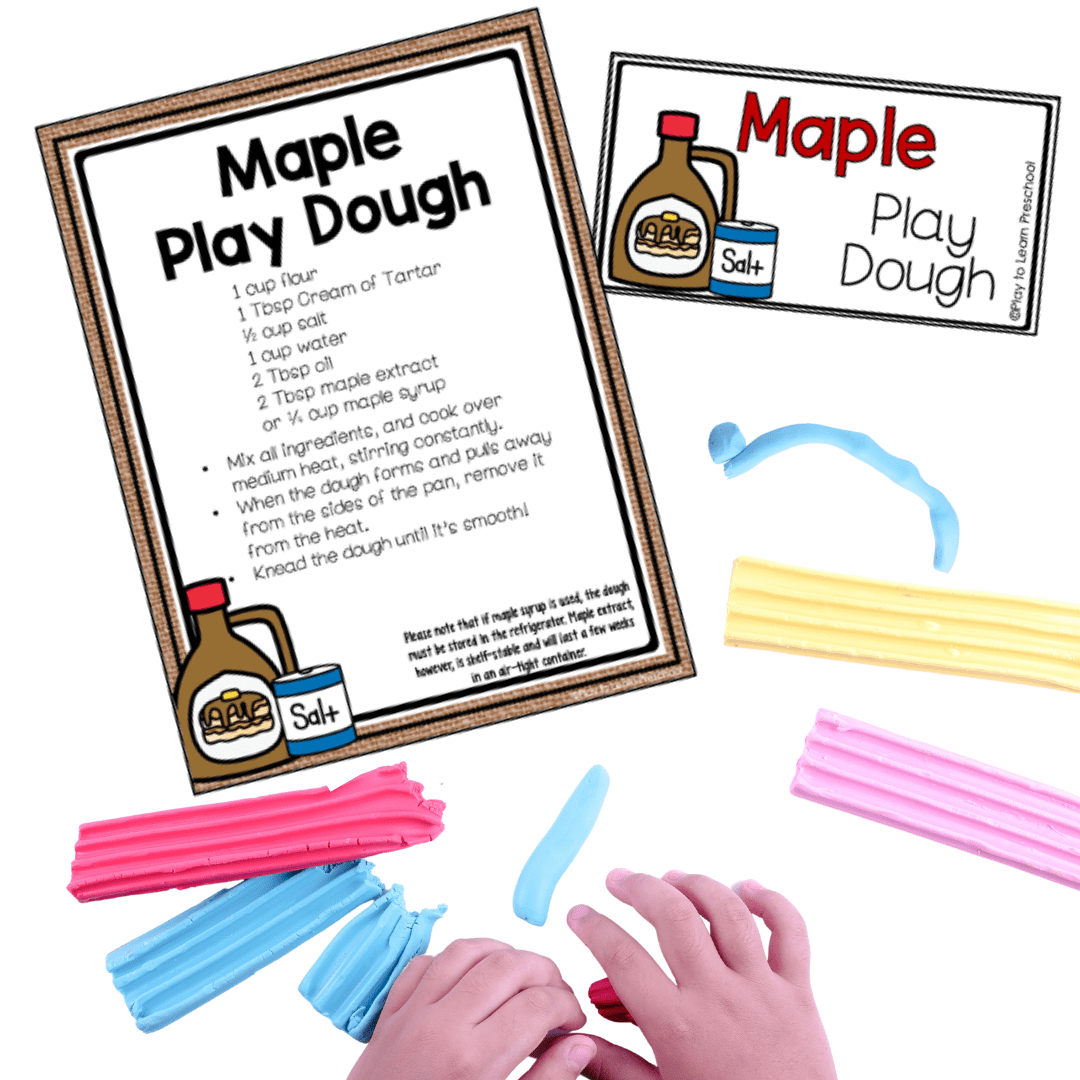
FREE Play Dough Recipe Book!
Play Dough is the perfect tool for developing the hand strength and fine motor muscles necessary before young children are able to write!
After you subscribe, you will be redirected to the FREE Play Dough Book. We respect your privacy. Unsubscribe at any time.
Play Dough Kitchen Invitation #6: Potato Heads

Another easy invitation is to grab some Mr. Potato Head pieces! Students enjoy sticking the different features into the soft play dough. Because the dough is moldable, their creations are more flexible and can accomodate a number of different poses.
Play Dough Kitchen Invitation #7: Apple Spice
This fall play dough kitchen invitation is a fantastic way to introduce loose parts into the play dough area. Create a batch of apple cinnamon dough, then gather the following items:
- Fall leaves table scatter
- Craft sticks
- Cinnamon sticks
- Tree “cookies”
- Apple counters
- Rolling pins
- Cinnamon scented play dough

Play Dough Kitchen Invitation #8: Bees

Students using their imaginations is one of the best ways for them to process new information. At this center, students enjoy the strength-building activity of rolling the textured rollers across the play dough. They also use their fine motor skills to add foam blooms and bees to their small world play, working cooperatively with their peers to share materials and build together.
Busy Bees Play Dough Kitchen Invitation items:
- Green Play Dough
- Felt bees
- Garden Bugs Rollers by Yellow Door
- Foam flowers and leaves
- Green and yellow tongs
Play Dough Kitchen Invitation #9: Lovely Ladybugs
This hands-on center gives students a chance to explore numbers through play. Use green play dough as a base, then offer ladybug counting stones and laminated counting mats from Yellow Door. The mats show numerals and dot patterns to guide children in matching and counting. Students knead the dough and form it into leaves for the ladybugs or use their creativity to expand on the activity themselves. Gather these items for this charming activity:
- Homemade green play dough (click HERE for the recipe)
- Ladybug counting stones
- Laminated counting mats
- Red and black tongs
- Small trays or bowls

Play Dough Kitchen Invitation #10: Cookie Factory
Around the holidays, many young children enjoy making sweet sentimental treats with their families. Bring that energy to the classroom with this cookie making station! Supply some vanilla or gingerbread-scented play dough in the play dough center, along with cookie cutters, small beads (for sprinkles), rolling pins, and aprons for a true cookie making feel. The students even added a holiday workshop kit from the block area to make it even more festive.


So Much More Than Just Dough
A well-stocked play dough kitchen gives children space to explore, build, and express themselves. With just a few thoughtful props and a fresh batch of dough, this center can support everything from fine motor development to early math and social skills. Switching up the invitations keeps the area fresh and exciting, encouraging students to return to it again and again.

Jamie, Thank you so much for some new ideas for our playdoh table! I would have never thought of giving them two primary colors that could blend into a secondary color — Yay!!!! (I’ve never been one to offer two different colors.) Thank you for the intro to the Vanilla playdoh products — too cute! Thank you so much for these ideas to share with my other three year old teachers.