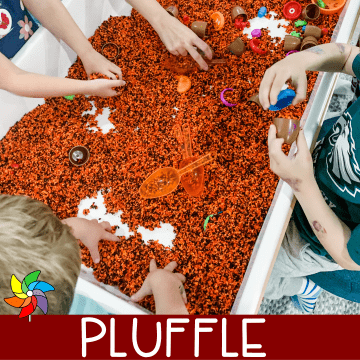
Preschool is a time for exploration, discovery, and building foundational skills through play. One of the most popular areas in the preschool classroom is the sensory table. This dynamic space invites children to engage their senses, fostering cognitive and motor development in a natural, enjoyable way. Imagine enhancing this experience by incorporating wooden literacy puzzles into the sensory table. The result? An irresistible sensory puzzle table where students will play – and learn – over and over again!

Easy Set-Up
A great learning center doesn’t need to be complicated and require a lot of teacher set-up time. In fact, on weeks when centers like Dramatic Play are a little more involved, these quick and easy set-ups are perfect to have on hand. These sensory table puzzles take two items and about five minutes to set up – max! All that is needed is a hard, dry filler such as dried beans or aquarium gravel, and some wooden word puzzles. Just add students, and this center is ready to roll!
Early Literacy with Sensory Table Puzzles
Incorporating wooden literacy puzzles into the sensory table is a powerful way to teach early literacy. Studies have shown that integrating literacy within preschool students’ play builds foundational skills effectively. Here’s how sensory table puzzles support early literacy:
- Recognize & Match Letters: As children search for and fit together puzzle pieces, they practice recognizing and matching letters, a crucial early reading skill.
- Strengthen Fine Motor Skills: Digging through the sensory material and handling small puzzle pieces strengthens the fine motor muscles necessary for writing.
- Build Social Skills: Working together to complete puzzles fosters communication, cooperation, and teamwork among children.

Other Benefits of Sensory Table Puzzle Play
Puzzles offer more than just literacy reinforcement. Engaging with sensory table puzzles provides a comprehensive workout for young minds and hands.
Visual Perception
Building puzzles enhances visual perception skills, which are vital for reading and writing. This includes:
- Visual Memory: Remembering what is seen.
- Visual Discrimination: Seeing similarities and differences.
- Visual Comprehension: Making sense of visual information.
- Perception of Shapes: Recognizing common shapes.
- Visual Analysis and Synthesis: Seeing patterns and putting them together.
- Visual Closure: Identifying an object by seeing part of it.
- Spatial Relations: Developing spatial relations involves understanding how objects are positioned in space relative to each other. This skill is crucial for reading, writing, and understanding the orientation of numbers and letters, such as b, p, and d.
Problem Solving and Logical Reasoning
Completing puzzles requires critical thinking, reasoning skills, and problem-solving, which are valuable in later life. Children learn to think logically, develop strategies, and improve their completion time with practice.
Check out this Resource from my Shop!
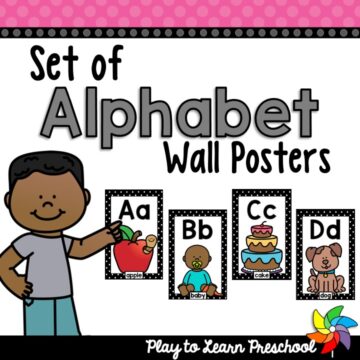
Alphabet Wall Posters
$3.00Display the letters in your room with these ALPHABET WALL POSTERS. Each poster is 1/2 page and includes the upper and lower case letters, a picture that starts with that letter, and the picture word.
Tips for Creating a Sensory Puzzle Table
To create a sensory puzzle table that captivates and educates, consider these tips:
- Choose the Right Puzzles: Select wooden literacy puzzles that are age-appropriate and durable. Look for puzzles with large, easy-to-handle pieces that feature letters, simple words, or images corresponding to words.
- Variety of Material: Use different sensory materials to keep the experience fresh. Sand, rice, beans, and aquarium gravel are excellent choices. Ensure materials are safe and suitable for the age group.
- Choose Fun Themes: Consider thematic puzzles and sensory materials that tie into the current curriculum. For example, if the class is learning about animals, use animal-shaped puzzles and add corresponding sensory items like plastic animal figures.
- Rotate and Refresh: Regularly rotate puzzles and sensory materials to maintain interest and challenge. This keeps the activity engaging and allows children to encounter new learning opportunities.
- Observation and Interaction: Be present to observe and interact with the children as they play. Ask open-ended questions, encourage teamwork, and provide gentle guidance to enhance their learning experience.
Sensory Table Puzzles are a fantastic way to combine the joy of sensory play with the educational benefits of puzzles. This creative approach captivates young learners and provides a rich, hands-on learning environment that promotes fine motor skills, cognitive development, and early literacy. By integrating wooden literacy puzzles into the sensory table, educators can create an irresistible learning station that children will return to again and again, each time discovering something new and exciting. Embracing the magic of sensory table puzzles in the preschool classroom helps students thrive through play and discovery!