January preschool activities help ease the transition back to school after winter break while still honoring the season children are experiencing. A return to routine feels smoother when familiar skills are revisited through winter-themed learning.

Circle time, dramatic play, sensory table, and hands-on math and science centers all provide gentle ways to rebuild confidence, attention, and classroom rhythms during this time of the year.
January Circle Time Ideas
Circle time in January often looks a little different than it did before winter break. Attention spans are still rebuilding, and children benefit from familiar routines paired with gentle movement and conversation. Winter themed songs, stories, and discussions give preschoolers something concrete to connect to while easing them back into whole group learning.
Songs and Fingerplays
Songs and fingerplays are especially helpful at the start of the year because they combine movement, repetition, and simple language. Choosing winter themed songs allows children to participate even if they are still warming up to group routines.


These songs and poems support counting, listening skills, and coordinated movements without requiring long periods of sitting.
Books to Read Aloud
January read alouds work best when they feel familiar and visually engaging. Winter stories naturally encourage prediction, retelling, and descriptive language, especially when children recognize elements from their own experiences.

- The Mitten
by Jan Brett - Snowmen at Night
by Caralyn Beuhner - Sneezy the Snowman
by Maureen Wright
Pausing to talk about characters, setting, or sequence keeps the students engaged throughout the story.
Discussion Starters
Short, guided discussions help rebuild turn taking and expressive language skills after time away from school. Keeping questions simple allows more children to participate without pressure.
- Winter clothing needed to stay warm
- Changes in winter weather
- Favorite activities from winter break

A few shared responses are often enough to keep circle time positive and focused.
January Dramatic Play Ideas
Dramatic play in January supports children as they ease back into classroom routines and social interactions. After time away from school, familiar roles and everyday settings help rebuild confidence and communication skills. Centers that reflect real world experiences tend to feel calming, predictable, and engaging during this transition.
Hot Drink Café
A hot drink café feels especially fitting during the winter months. Children often bring their own experiences into this type of play, whether that means ordering a drink, preparing something for a friend, or sitting together at a table. The play tends to be calm and social, which can be helpful as routines settle back in.

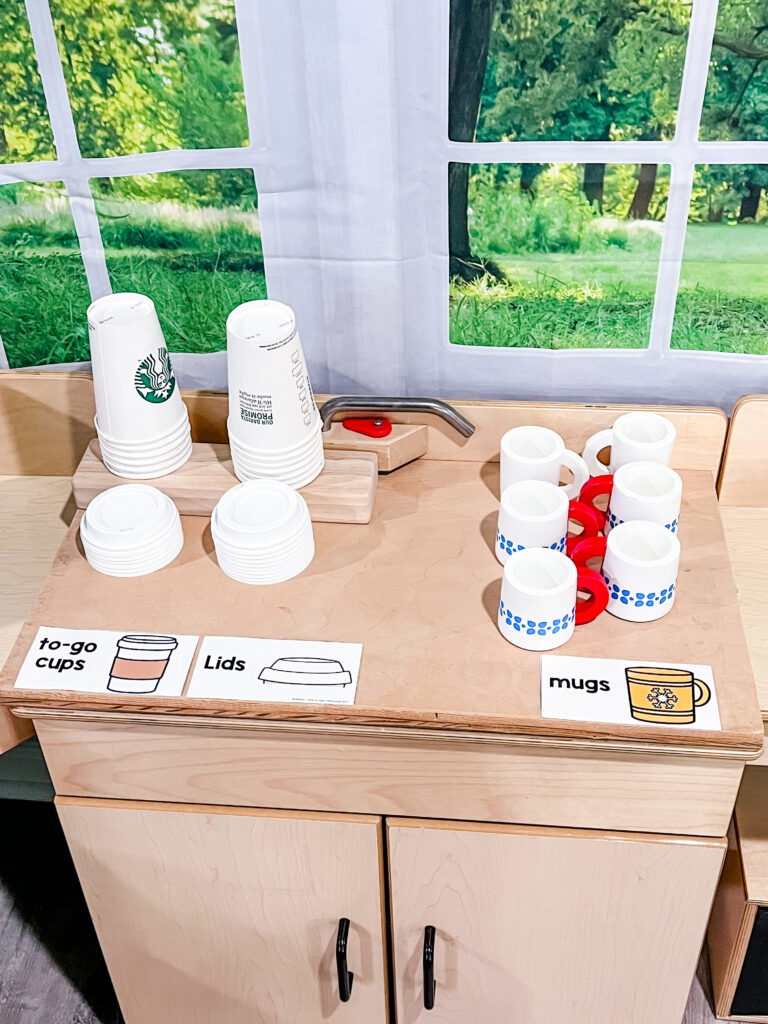

- Mugs, cups, and pretend hot drinks
- Menus, order pads, or signs
- Trays, counters, or small tables
This center often leads to longer stretches of play and natural back and forth conversation.
Restaurant
A restaurant dramatic play is familiar to most children and doesn’t require much introduction. Roles emerge quickly, and play usually shifts between cooking, serving, ordering, and paying. Because the routine is predictable, children can focus more on interaction than on figuring out what to do.

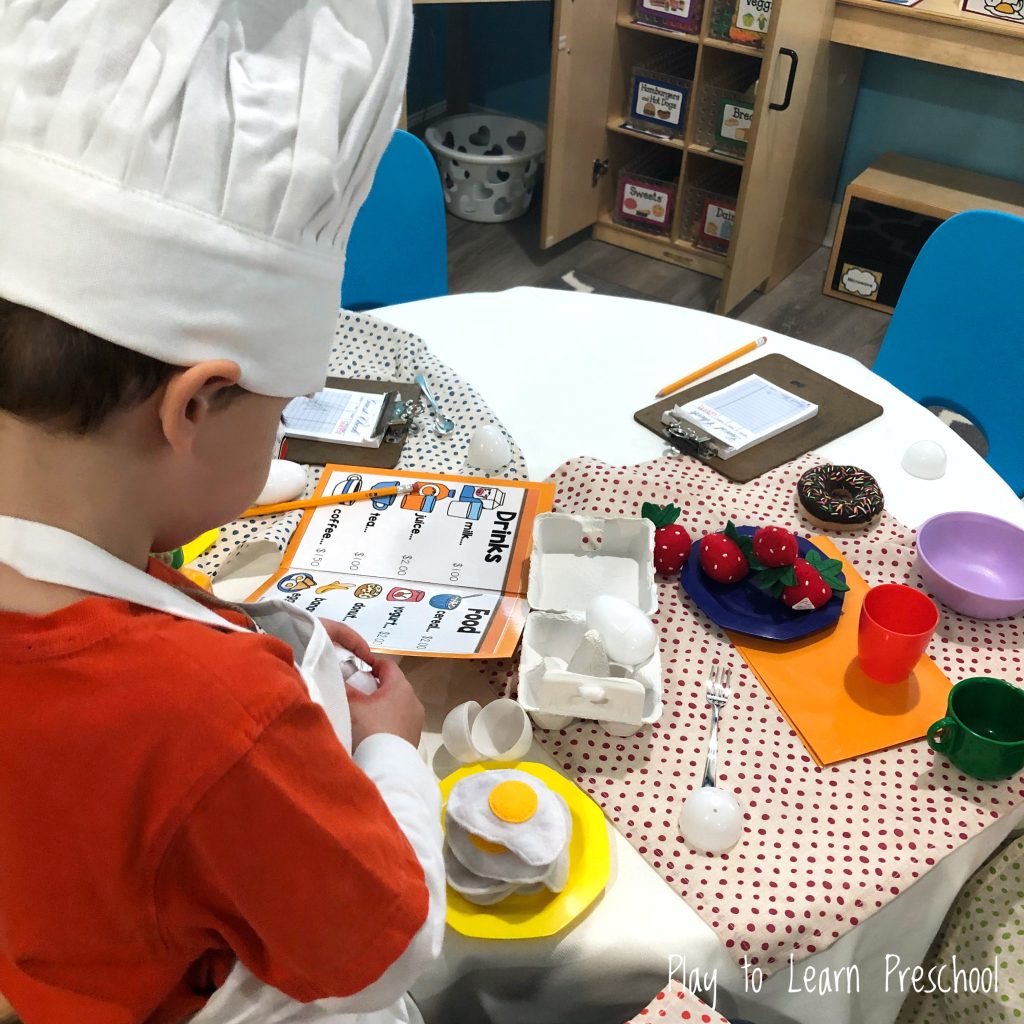

- Play food and dishes
- Menus and order forms
- Cash register or play money
It is common to see children problem solve together as they decide who does what and when.
Airport
An airport dramatic play center encourages imaginative thinking while still feeling grounded in real life. Many children connect to travel experiences, especially after winter break. Some children focus on packing and waiting, while others take on roles like ticket agents or pilots. The open ended nature of the center allows different kinds of play to happen at the same time.


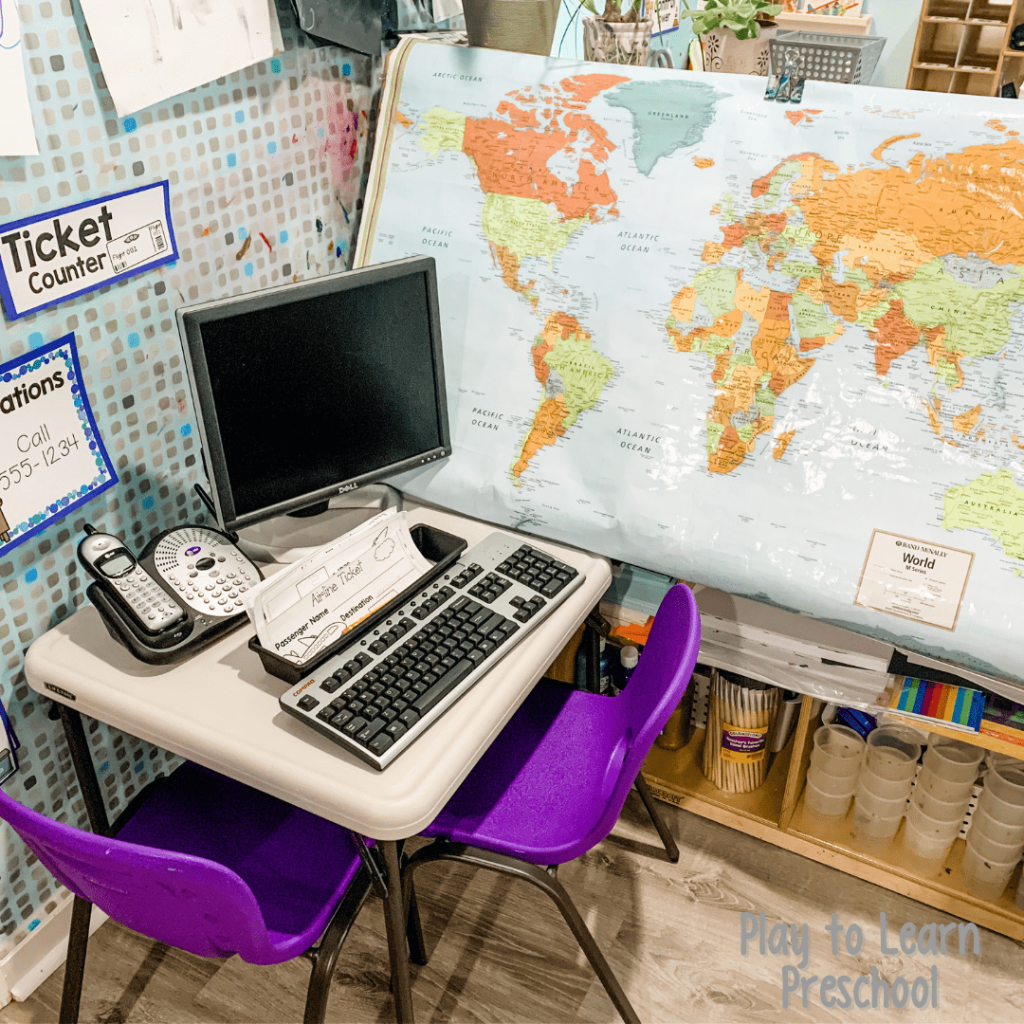
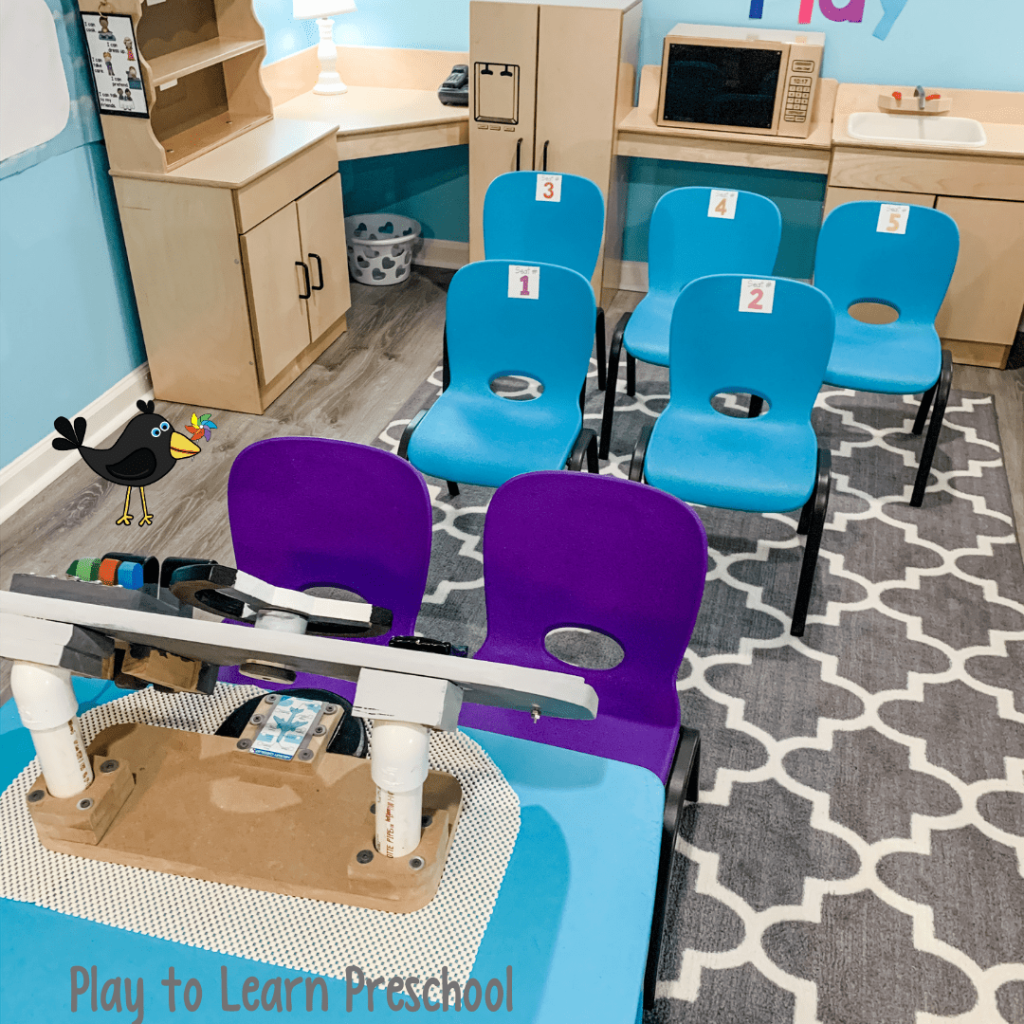
- Suitcases or bags
- Tickets, boarding passes, or signs
- Seating areas for waiting and check in
This setup promotes storytelling, vocabulary development, and cooperative play as children move through different roles.
January Sensory Bin Ideas
Sensory bins tend to get a lot of use in January. After winter break, children often seek activities that allow them to focus, repeat actions, and explore materials at their own pace. Sensory play offers that balance. These bins invite hands-on exploration while also supporting regulation and fine motor development during a time when routines are still settling.
Snowball Sensory Bin
A snowball themed sensory bin is simple, familiar, and easy for children to approach. The materials feel inviting, and the play often starts quietly with scooping or transferring before expanding into sorting or pretend scenarios. Because there is no right or wrong way to interact with the bin, children tend to stay engaged for longer periods.


- Cotton balls, pom-poms, or insta-snow
- Scoops, tongs, and small containers
This type of bin often becomes a go-to choice for children who need a calm, steady activity.
Ice Cube Exploration

Ice play naturally draws curiosity. Children notice temperature, color, and change almost immediately, which leads to thoughtful observations without much prompting. Some children focus on melting, while others prefer transferring or stacking. Both approaches offer valuable learning.
- Colored ice cubes
- Droppers, cups, and trays
- Plastic ice cubes & trays
Children notice changes over time, which leads to simple scientific conversations.
Arctic Habitat Bin
An arctic habitat sensory bin blends sensory exploration with imaginative play. The neutral colors and soft textures create a calming environment, while the animals encourage storytelling and role play. Children often narrate what the animals are doing or compare habitats as they explore.

- Arctic animal figures
- White rice, cotton batting, or glass gems
This bin supports imaginative play alongside sensory exploration.
Math and Science Activities for January
Math and science in January often look best when they feel familiar and manageable. After winter break, children benefit from revisiting skills they already know through hands-on materials rather than jumping straight into something new. Winter themes provide a natural context for counting, sorting, observing, and asking simple questions without adding extra pressure.
Math Activities
January math activities work well when they are concrete and visual. Familiar materials allow children to focus on the skill rather than the directions, which helps rebuild confidence. Many of these activities can be revisited throughout the month with small changes as children’s needs shift.

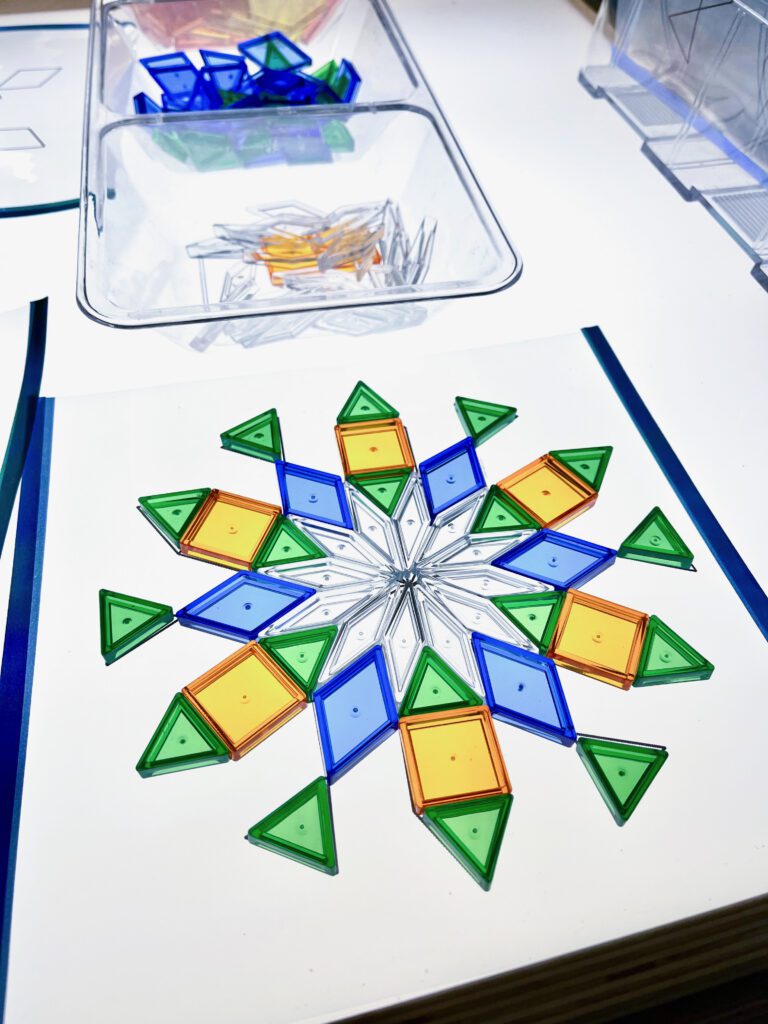

- Mitten counting by color, number, or uppercase and lowercase letters
- Snowflake pattern block mats
- Counting snowballs using math mats
Children often repeat these activities by choice, which strengthens understanding over time.
Science Activities
Science experiences in January invite children to slow down and notice changes. Winter materials make cause and effect easier to see, especially when children can touch, watch, and talk about what is happening. These explorations do not need to be complicated to be meaningful.
- Freezing and melting ice experiments
- Pinecone investigations to observe changes in water
- Shadow exploration using flashlights indoors

Simple observations often lead to thoughtful questions and rich conversations.
Teacher Tips for January Preschool Activities
January can feel like a reset in the preschool classroom. After weeks away from school, children are relearning routines, expectations, and how to be part of a group again. Planning with this in mind helps the day feel more structured and predictable, even when energy levels run high.
- Revisit classroom routines clearly and often, even those that felt solid before the break
- Plan opportunities for movement alongside activities that help children slow down and refocus
- Use winter themes to reinforce familiar skills such as counting, sorting, and retelling stories
Consistency and repetition provide the support children need as they settle back into the rhythm of the school day.
Settling Back Into Preschool Routines
January preschool activities help bridge the gap between time away from school and the routines that support learning. Winter themes give children familiar topics to talk about while offering plenty of opportunities to practice listening, turn taking, and problem solving across centers. When expectations are clear and activities feel purposeful, children are better able to reconnect with the classroom community and the learning that happens there. This thoughtful reset lays the groundwork for a more settled and successful winter season.