Preschool classrooms are busy places filled with movement, conversation, and constant learning. Children are learning how to manage emotions, control their bodies, and respond to challenges, often all at once while transitioning between centers, sharing materials, participating in group activities, and following daily routines. When behavior feels challenging, it is usually a sign that children need support, not stronger correction, throughout the day.

Effective preschool behavior strategies focus on helping children learn how to self regulate. These strategies are built into the daily rhythm of the classroom. They rely on consistency, clear expectations, and calm guidance that teaches skills over time.
What Behavior and Self Regulation Look Like in Preschool
Behavior and self regulation are closely connected in early childhood. Preschoolers are still learning how to pause, cope, and respond when something feels overwhelming. In real classrooms, things like trouble waiting for a turn, strong reactions during transitions, or frustration when expectations change are common. They happen most often during busy or unpredictable parts of the day.
Self regulation also appears in quieter ways. A child might wait briefly with support or take a breath before reacting. Another may move away from a situation to calm down. These small shifts matter. They are part of the learning process and develop gradually with consistent adult guidance.

Why Preschoolers Need Behavior Strategies That Teach Skills
Preschoolers are not yet able to manage strong emotions independently. Their brains are still developing, especially the areas responsible for impulse control and emotional regulation.

Behavior strategies work best when they focus on teaching children how to handle situations rather than simply stopping unwanted behavior. Predictable routines, clear expectations, and calm responses help children feel safe enough to practice these skills throughout the day. Consistent circle time routines and preschool themes are especially helpful during longer group activities, when many behavior challenges tend to appear.
Predictable Routines Set the Foundation for Behavior
Strong preschool behavior strategies often begin with routines. When children know what comes next, they spend less energy guessing and more energy participating in the day.
Consistent schedules, familiar transition language, and predictable expectations help children feel secure. This idea is well supported by early childhood research, which shows how consistent schedules and routines help young children feel safe and regulated. Over time, routines become internalized. Children begin to move through the day with more confidence, which reduces frustration and supports early self regulation without constant reminders.
For many classrooms, January is a natural time to slow down and revisit expectations. A simple reset using familiar January preschool activities can help children ease back into routines without adding pressure.
Movement and Sensory Input Support Regulation
Many behavior challenges show up when preschoolers are asked to sit and focus for too long. Young children are still developing attention and self regulation skills, which is why shorter learning moments work better throughout the day. Breaking circle time into smaller sections allows children to engage, move, and reset between learning opportunities. Research supports this approach, showing that young children learn best in shorter, focused bursts rather than extended group lessons.
Movement plays an important role in making this structure work. Short movement moments between circle time sections help children release energy and return feeling more settled. Stretching, marching, or brief action songs can reset attention without disrupting the flow of the day.
Sensory input also supports regulation, especially during busy transitions. Simple sensory play ideas provide a quiet, hands on way for children to calm their bodies and stay engaged between group learning moments.


Simple sensory play ideas that support calming include:
- Scooping or pouring dry materials such as rice or beans
- Sorting small objects by color or size
- Using play dough to squeeze, roll, or press
- Exploring textured materials like fabric scraps or sensory mats
- Tracing lines or shapes in sand, salt, or shaving cream
Teaching Self Regulation Skills Takes Practice
Learning how to self regulate does not happen all at once. Preschoolers need repeated opportunities to notice their feelings, try a strategy, and return to what they were doing with support. Instead of relying on a separate space, many classrooms focus on teaching simple tools children can use right where they are. These strategies are introduced during calm moments and practiced throughout the day so they feel familiar when emotions run high.
Some self regulation tools that work well in preschool classrooms include:
- Taking slow breaths using a visual cue or breathing prompt
- Squeezing play dough or a small stress item
- Watching or shaking calm down bottles to slow breathing
- Pausing with a quiet tabletop activity before rejoining the group
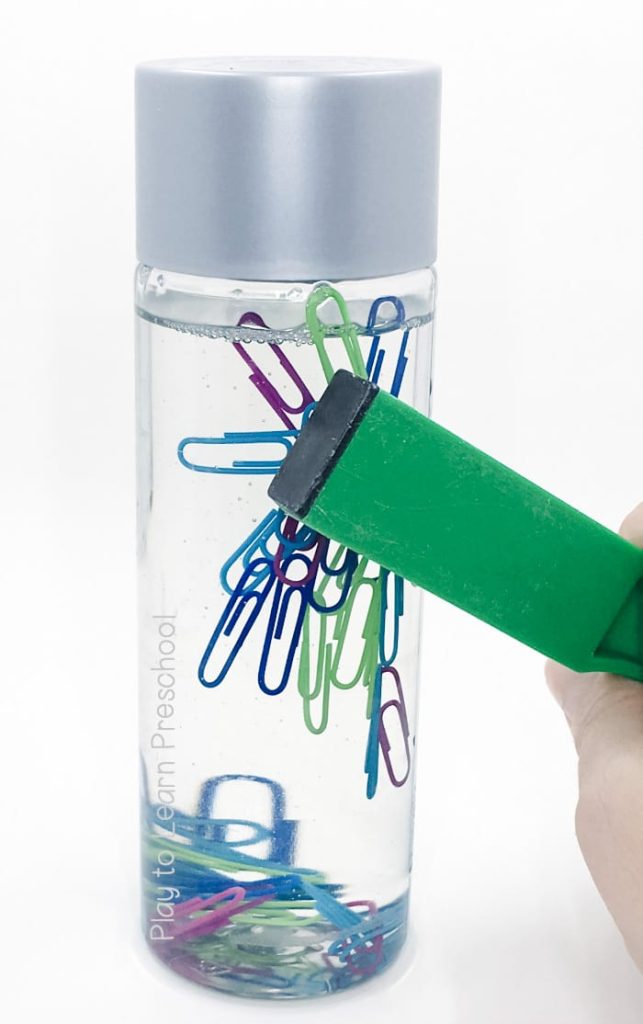
These tools are most effective when adults model how and when to use them. Over time, children begin to recognize what helps their bodies calm and learn how to ask for support when they need it.
Emotion Language Shapes Behavior Over Time
Children need words to describe what they feel. Without language, emotions often show up as behavior. An Emotions Circle Time Unit is a great way to start the conversation. Naming feelings during stories, play, and real situations helps children understand their experiences. Combining alternative ways to describe feelings, such as signs in ASL, are also helpful, especially when a child is struggling to communicate their feelings verbally.

Storytelling activities, including felt board stories, give children a low pressure way to hear emotion language and see how characters work through challenges. Reading books for preschool classrooms also supports emotional understanding and provides shared language teachers can reference throughout the day.
Progress Takes Time
Learning to self regulate takes time, and it often looks uneven along the way. Some days feel smoother. Other days feel harder, even when routines and supports are in place.
That does not mean something is wrong.
Progress in preschool usually shows up in small moments. A child recovers more quickly than they used to. Another asks for help instead of reacting right away. These moments are easy to miss in a busy classroom, but they matter.
Behavior is influenced by many things. Changes in routine, group dynamics, sleep, and development all play a role. When a child struggles on a particular day, it does not erase the progress they have already made.
What helps most is consistency.
Preschool behavior strategies work best when they are part of the everyday flow of the classroom, such as:
- Predictable routines
- Opportunities for movement
- Simple regulation tools
- Calm, supportive language
Over time, these supports become familiar. Children begin to rely on them with less adult guidance. Growth does not happen all at once. It builds slowly, through repetition and patience, in ways that are not always obvious in the moment.
Supporting behavior in preschool means noticing the everyday moments where children are still learning how to navigate their world. With clear routines, consistent expectations, and patient guidance, classrooms can become places where children feel safe practicing big skills in small, manageable ways. When teachers respond with understanding and structure, children gain the confidence they need to grow socially and emotionally, one moment at a time.
Check out this Resource from my Shop!
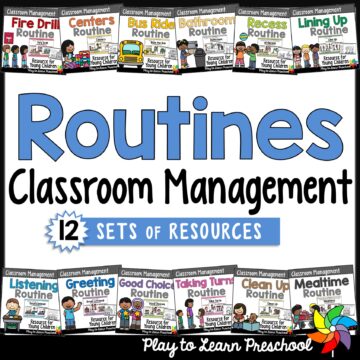
Routines Preschool Behavior Management Rules Classroom Back to School Posters
$25.99Routines and procedures are the most important things to teach at the beginning of the school year. This set of resources is a developmentally appropriate way of introducing young learners to essential classroom routines.