Color mixing is always a favorite activity in early childhood classrooms. This preschool color mixing art activity goes one step further by showing children how to create lighter and darker versions of their favorite colors. With only three painted sections, this activity makes it easy for preschoolers to see how colors can change.

Why Teach Color Mixing in Preschool?
Once students explore how to mix colors like red and blue to make purple, they’re ready to go deeper. This activity focuses on mixing shades, which is a key concept in both art and science. Preschoolers are naturally curious about how colors change, and this lesson taps into that curiosity through playful experimentation.
By adding white paint, children make a tint, or a lighter color. Conversely, by adding a small amount of black paint, a shade, or darker color, is created. This simple idea leads to great conversations with colorful results.
Step-by-Step: A Simple Preschool Color Mixing Art Activity
This art project uses basic materials and gives children the opportunity to mis, observe, and compare their colors side by side.
Materials Needed:
- Colored paint (BioColor, tempera, or acrylic work fine)
- White and black paint for mixing
- Small paper cups
- Construction paper (cut into 6″ x 18″ strips)


Instructions:
- Allow each child to select their favorite color of paint.
- Pour that color into two separate cups at the student’s work station.
- Fold the long construction paper strip into three equal parts.
- Have the child paint the middle square using the original color.
- Add a generous amount of white paint to one cup and stir.
- Similarly, add just a small amount of black paint to the other cup and stir.
- Use the new mixtures to pain the remaining squares with the light and dark version.
Add even more color to the classroom with this 10 day unit – with all the planning done for you!
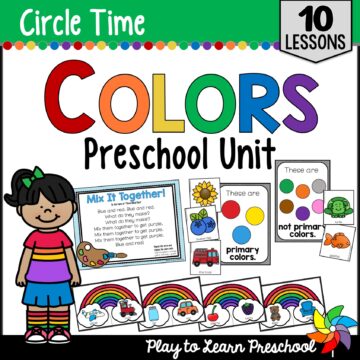
Colors Preschool Unit
$12.00Learn all about colors, shading, mixing, colors of the rainbow, and the Holi Festival of Colors, in this Colors Preschool Unit. Preschoolers and their teachers will love this complete 10 day Circle Time unit. It includes detailed daily lesson plans, printable activities, as well as literacy, math, and fine motor centers. It also includes 11 bonus color posters.
What Children Learn from this Color Mixing Art Activity
This preschool color mixing art activity supports far more than just painting skills. Children learn:
- How colors can change with small adjustments
- To observe and compare visual details
- Vocabulary like tint, shade, light, dark, and favorite
- Fine motor control and brush handling
- Independence and creative decision-making
Ideas to Extend the Activity
Preschoolers love to keep experimenting with color, especially once they’ve seen how their favorite color can change. After finishing their three-color painting, many children will naturally want to mis more shades, compare their work with friends, or name their new colors. These simple extensions build on that excitement and offer opportunities to reinforce key concepts like comparison, observation, and creative thinking without requiring much additional prep.

- Add real paint samples from a home improvement store for children to match or sort.
- Invite students to name their new colors (e.g. “Cotton Candy Pink” or “Stormy Blue”)
- Hang the finished strips together to create a giant wall of rainbow shades.
- Do a read-aloud of a book like White Rabbit’s Color Book by Alan Baker or Mouse Paint by Ellen Stoll Walsh before starting the art activity.
Color mixing feels magical to young learners, and is even more exciting when children learn they can modify their favorite colors. It’s a simple way to help them notice small changes and talk about what they see. Best of all, it encourages creativity and helps children think like little artists and scientists—curious, thoughtful, and ready to try new ideas.