Independence in preschool often begins with a simple “I can do it.” That desire shows up in everyday ways, from putting away belongings to choosing how to play. These moments lay the foundation for confidence and self help skills that grow over time.

Independence does not develop all at once. It builds gradually through daily routines, clear expectations, and supportive adults who know when to step in and when to step back.
Why Independence Matters in Preschool
Independence in preschool helps children see themselves as capable and confident. When children have regular opportunities to try things on their own, they begin to trust what they can do. Research supports that this growing confidence carries into many areas of development, including learning, social interactions, and daily routines.
Key benefits include:
- Building confidence and a sense of accomplishment
- Strengthening fine motor and self help skills
- Encouraging problem solving and persistence
- Supporting smoother classroom routines and transitions
Daily Routines That Build Independence
Daily routines offer some of the most meaningful opportunities to build independence in preschool. These moments happen every day and give children practice doing things for themselves. Arrival, meals, and transitions are predictable parts of the day, which helps children know what is expected and feel more confident trying on their own.
Arrival
Hanging up coats, putting away backpacks, and signing in help children take responsibility for their belongings and their space.

Snack and Lunch
Pouring drinks, opening containers, and cleaning up after eating allow children to care for themselves in practical ways.

Transitions
Visual schedules help children understand what comes next, reducing the need to wait for adult direction.

Over time, these small responsibilities become familiar. What once required adult help slowly turns into a routine children can manage with growing independence.
Classroom Centers That Encourage Independence
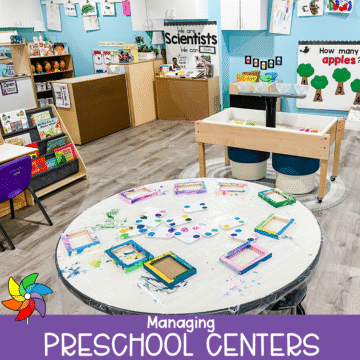
Classroom centers support independence in preschool by giving children the space to make choices, explore materials, and carry out their ideas alongside peers. Research shows that when children can work with accessible materials and learn from one another, they build confidence and resilience over time. In these moments, teachers play an important role by observing, listening, and stepping in only when support is truly needed.
Dramatic Play
When props are accessible, children can set up, play, and clean up with less adult involvement while negotiating roles and ideas with peers.
Blocks and Construction
Open access to materials allows children to plan, build, problem solve, and learn from one another as structures take shape.
Art
Open ended supplies stored in clearly labeled bins encourage creativity, experimentation, and shared ideas without step by step directions.
Sensory
Hands on materials invite children to explore, experiment, and observe how others approach the same materials in different ways.
Teacher Strategies That Support Independence
The way teachers support daily tasks has a strong impact on independence in preschool. When teachers resist the urge to step in too quickly, children have more opportunities to try, problem solve, and build confidence.


Helpful strategies include:
- Using labels with pictures to show students where materials are stored
- Providing child sized furniture and tools that make independence possible
- Modeling a task, then stepping back
- Using encouraging language such as “You figured that out!” or “I like how you tried a new way!”
- Allowing extra time for children to complete tasks
Communicating With Families
Families may not always see the value of independence in preschool, especially when tasks take longer or look less efficient. Clear, thoughtful communication helps families understand why these moments matter and how they support confidence and skill development over time.
Conversations with families can include:
- Explaining why independence is important for confidence and skill development
- Suggesting simple self help skills to practice at home, such as zipping coats or cleaning up toys
- Reassuring families that independence develops over time with practice

Sharing simple explanations or short parent-friendly handouts can help reinforce these ideas at home.
Conclusion
Building independence in preschool helps children develop skills that support learning, confidence, and daily routines. With thoughtful environments and steady encouragement, preschoolers often show they are capable of more than expected. Independence grows through small moments repeated day after day.